Modern casino floors already generate large amounts of operational information. The real challenge is no longer simply collecting data — it is understanding what is happening at each gaming table clearly enough to support daily decisions.
For table-game operations, visibility means being able to connect physical activity on the casino floor with structured operational records.
The Problem With Isolated Information
A casino table involves several activities happening at the same time.
Chips move between players, dealers and trays. Bets are placed and settled. Table inventories change throughout a shift. Staff may also need to review fills, credits, payouts and other operational events.
When these records exist separately, managers often need additional manual work to understand the complete picture.
This is why modern casino technology increasingly focuses on connecting information rather than simply creating more of it.
From Table Activity to Operational Visibility
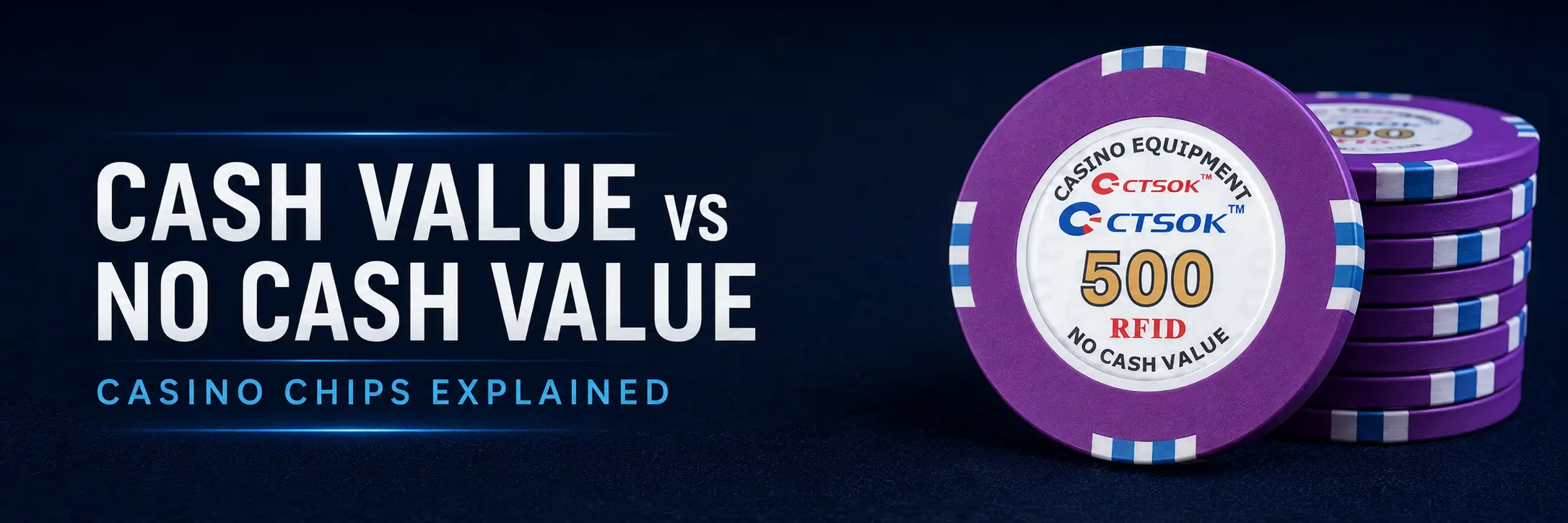
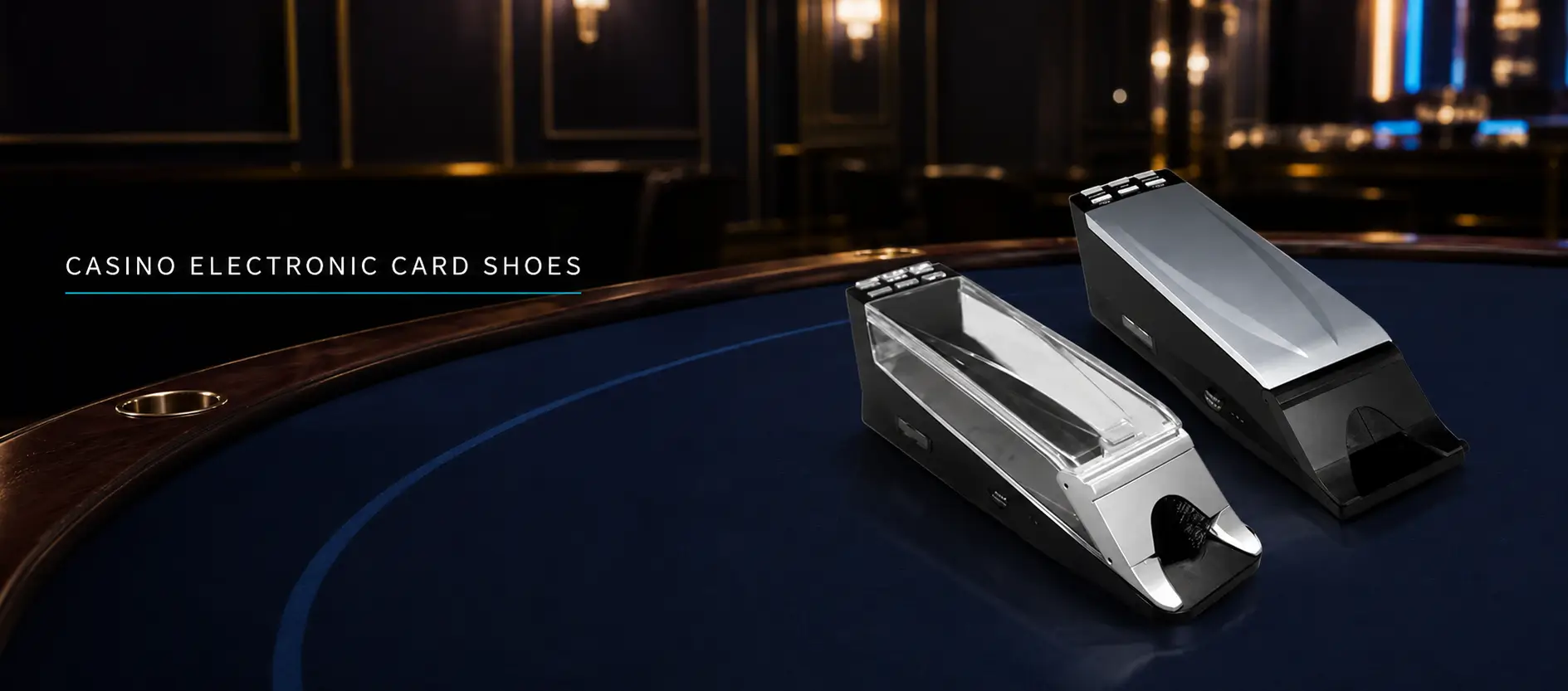
RFID-enabled chips, compatible readers and digital table equipment can help identify specific events occurring around a gaming table.
However, an RFID reading by itself has limited value.
The useful information appears when the system can associate that event with context such as:
- the gaming table involved;
- the time of the transaction;
- chip denomination or identity;
- table inventory changes;
- and related operational records.
This turns individual technical signals into information that casino teams can actually review.
Why Real-Time Visibility Is Useful
Better table visibility can support several areas of casino operations.
Managers can compare table activity with recorded transactions, review unusual differences, understand chip movement more clearly and reduce dependence on disconnected manual records.
It also makes historical review easier.
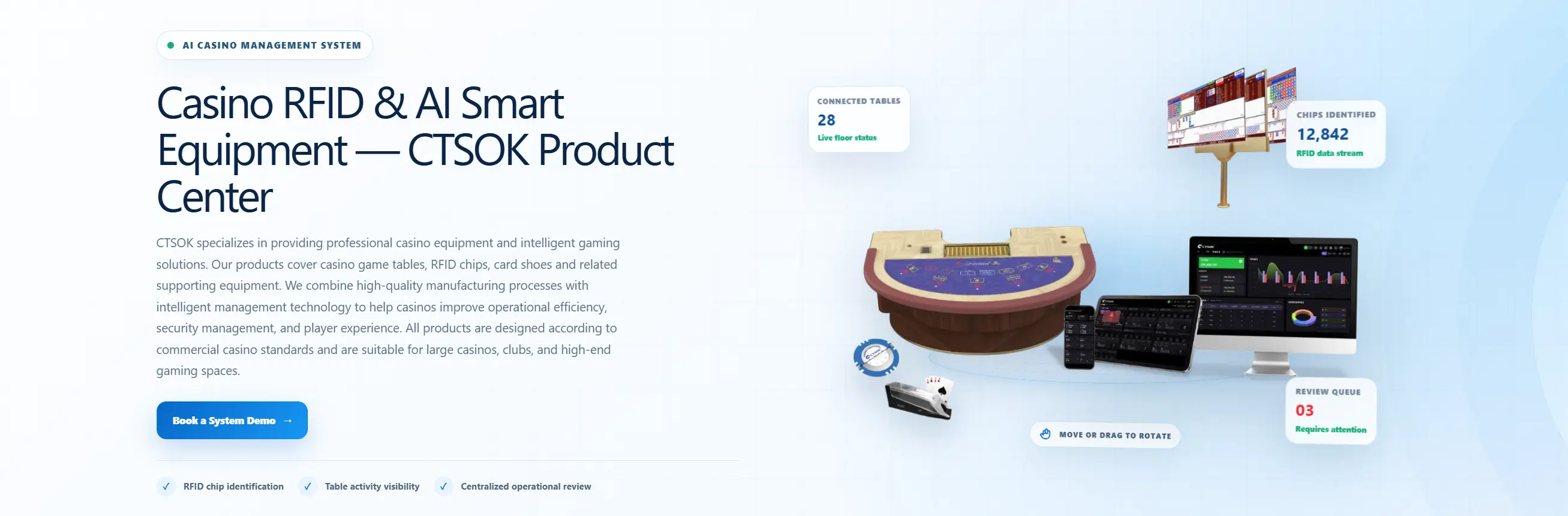
Instead of reconstructing an event entirely from separate reports, a centralized platform can provide a clearer timeline of what happened at the table.
That does not eliminate human supervision. Rather, technology provides additional operational evidence for staff to review.
The Technology Is Becoming More Integrated
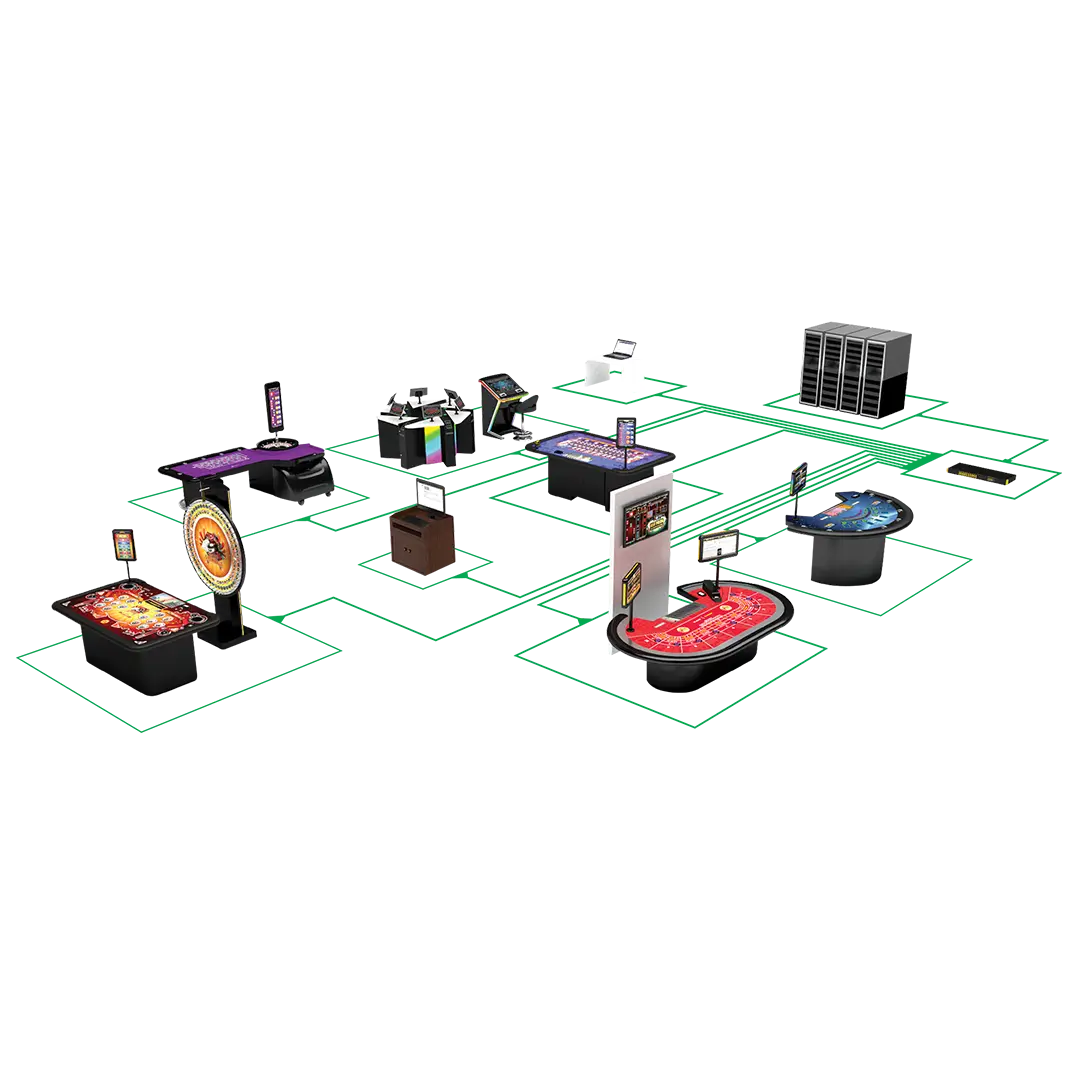
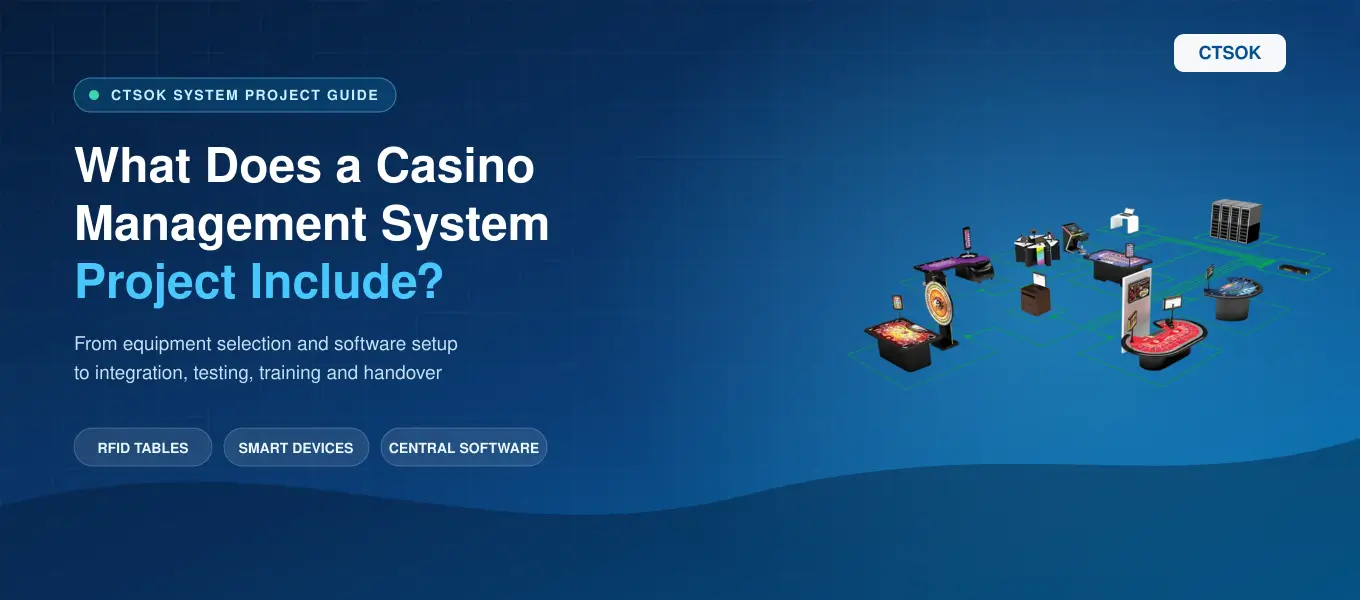
The direction of casino technology is moving toward integrated environments where RFID identification, table equipment, operational software and data analysis work together.
Companies such as CTSOK develop RFID and casino management technologies designed to connect physical gaming equipment with centralized digital management.
The important change is not simply that casino tables are becoming more electronic.
It is that operators can increasingly understand physical table activity through structured digital records.
For modern casino operations, better visibility can be more valuable than simply having more data.