
Baccarat is a table game built around a relatively simple game process. Players place chips on betting areas such as Banker, Player, Tie or Pair. The dealer deals the cards, announces the result, collects losing bets and pays winning bets.
Although the game rules are simple, the table operation behind each round involves several layers of management. Chips need to be counted, players may exchange chips before betting, wagers need to be recognized, cards need to be confirmed, and the final collection or payout must match the result of the round.
This is where RFID and AI technologies are increasingly used in baccarat table management systems.
A modern casino management system, often called a CMS, is not only a back-office reporting tool. In table game operations, it can also connect physical gaming equipment with digital records. In a baccarat environment, this may include RFID casino chips, chip tray readers, smart table sensing areas, dealer-side operation screens, player ID records, AI card recognition and payout verification functions.
CTSOK CMS is one example of this type of system. It is designed to connect the actual actions on a baccarat table with digital table records, so that chip inventory, player exchange, betting activity, card results and payout checks can be managed within one workflow.

RFID Chips in Baccarat Table Operations
RFID stands for Radio Frequency Identification. In casino table applications, RFID technology is commonly used by embedding an RFID tag inside a casino chip. The chip can then be identified by compatible readers installed in specific areas, such as a chip tray, betting area or verification zone.
In baccarat table management, RFID chips can provide several types of information. The system can identify the denomination of the chip, detect whether chips are present in a reading area and calculate the value of chips in that area. This helps the table system understand chip movement more accurately than manual observation alone.
For example, when RFID chips are placed in a chip tray, the system can read the denominations and quantities. If a chip is removed, the tray data can change accordingly. If the chip is returned, the system can update the tray status again.
This does not remove the need for dealer and supervisor checks, but it gives the table an additional digital reference. For operations that involve frequent chip movement, this can make inventory checks, shift handovers and table reviews easier to verify.
CTSOK provides RFID casino chips that can be used as part of this type of table management structure. In a CMS environment, the value of RFID chips is not limited to anti-counterfeiting. Their greater role is to make chip movement readable within the table workflow.
Chip Tray Inventory
The chip tray is one of the first places where RFID technology can be applied.
Before a game starts, the table team needs to know whether the tray contains the correct chip value and quantity. Traditionally, this depends on manual counting and supervisor confirmation. In a smart table system, the chip tray can be connected to an RFID reading function.
A chip tray inventory screen may display the chip denominations, quantities and total amount inside the tray. If chips are taken away or returned, the system can update the count. This is useful during opening checks, active table monitoring and shift handover.
The purpose is not only to show a number on a screen. The purpose is to create a clearer reference point for chip status at the table.
When chip tray data is connected with the wider casino management system, the table can keep a more structured record of chip movement before, during and after play.
Player ID and Chip Exchange Records
In some baccarat table management systems, players may exchange chips through a player ID or account record. This creates a connection between the player, the chip exchange and later table activity.
For example, when a player exchanges chips, the system can record the player ID, chip denomination and exchange amount. If the player later places those chips on the table, the system can connect the betting action with the player record, depending on how the table and chip recognition system are configured.
This type of record is useful for table review, player activity analysis, VIP room management and internal operation checks. It also makes the betting process easier to trace because the system can link chip exchange and betting activity more clearly.
The player experience does not need to change significantly. Players still use physical casino chips and participate in the game in the normal way. The difference is that the table system can create a more complete record behind the operation.
Bet Recognition on the Baccarat Table
A baccarat table has different betting areas, such as Banker, Player, Tie and Pair. In a traditional table setup, the dealer and supervisor visually confirm where chips are placed.
In an RFID-based smart baccarat table, reading areas can be built into the table layout. When RFID chips are placed on a supported betting area, the system can identify the chip value and the location of the bet.
This allows the table system to record several important details:
which betting area was used, how much was placed, and which player or seat may be associated with the bet.
This type of data is important because a baccarat round cannot be fully reviewed by looking only at the final result. The system also needs to know what was placed before the result was decided.
For this reason, smart baccarat tables are not only gaming furniture. They can also function as data collection points within a casino management system.
CTSOK smart baccarat table solutions are designed around this table-level recognition concept, where RFID chip data and table betting areas can be connected with the CMS workflow.
AI Card Recognition
After betting is complete, the dealer deals the cards according to baccarat rules. The result depends on the card values of Banker and Player.
AI card recognition can be used to help identify the cards after they are revealed. A camera or visual recognition system can read the card faces, calculate the baccarat points and determine whether Banker, Player or Tie is the result.
This technology is useful because the card result is a key part of the table record. If the system has already recognized the bets, it also needs to connect those bets with the correct result.
AI card recognition can reduce reliance on manual result input and help create a more consistent digital record for each round. It can also support later review if a round needs to be checked.
It is important to understand that AI recognition is usually used as an assisting technology. The dealer still conducts the game and the table team still follows casino procedures. The AI function provides an additional recognition and verification layer.
Payout Verification
Payout verification is one of the most practical parts of a smart baccarat table management system.
After the result is determined, losing bets must be collected and winning bets must be paid. This is where a system can compare the expected settlement with the actual chips handled by the dealer.
For example, if the system calculates that a losing bet of a certain value should be collected, it can compare that amount with the chips actually collected. If a player should receive a payout, the system can check whether the payout chips match the expected value.
This type of verification helps reduce mistakes such as underpayment, overpayment or incorrect collection. It also gives supervisors a clearer reference when reviewing a table operation.
In a complete CMS workflow, payout verification connects three types of data: the original bet, the game result and the final settlement action. Without this final verification step, a system may know what was bet and who won, but it may not fully confirm whether the round was settled correctly.
Dealer-Side Operation Screen
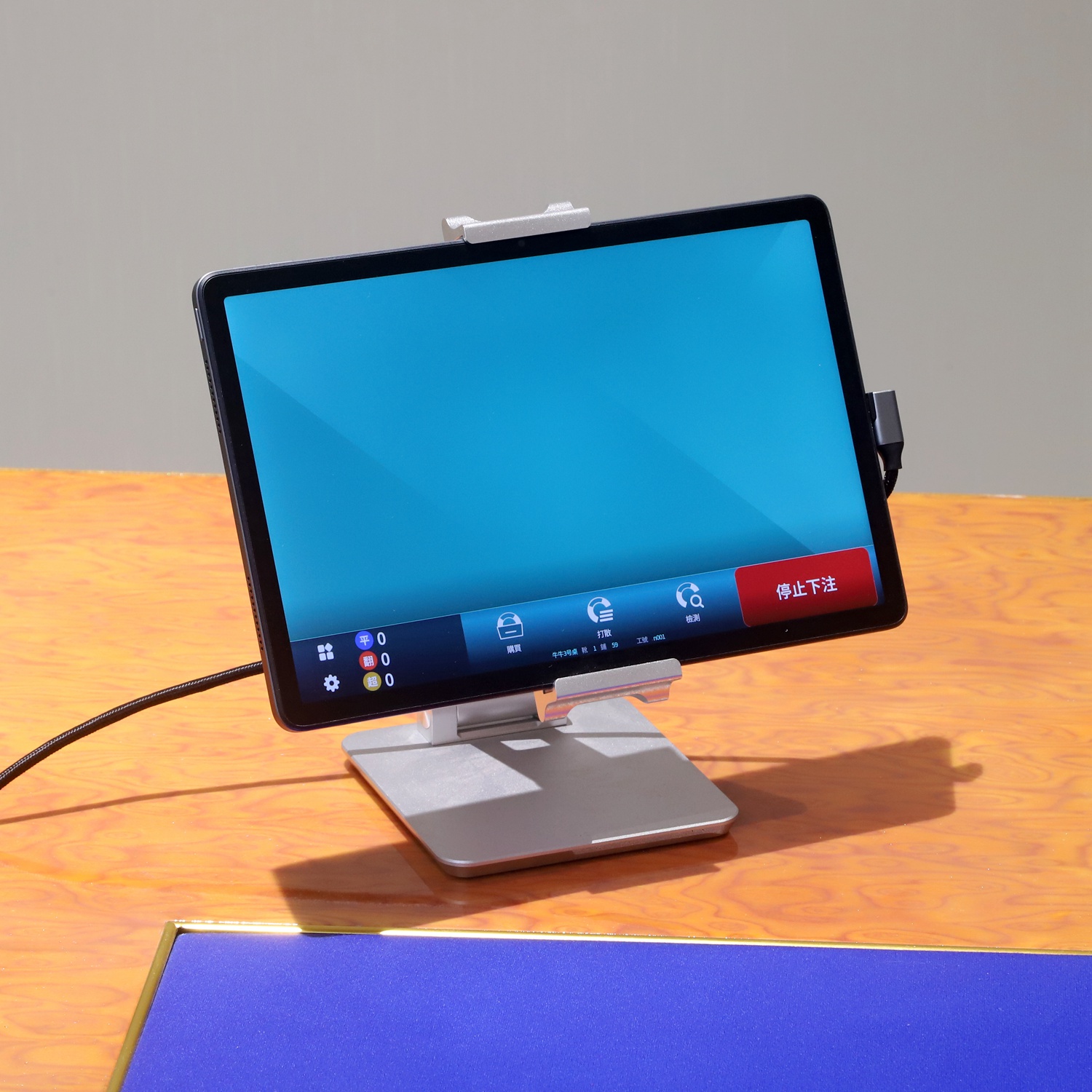
The dealer-side operation screen is an important interface in a smart baccarat table system. It allows the dealer to interact with the CMS during the table workflow.
Depending on the system configuration, the screen may support table login, chip tray inventory, player chip exchange, bet record display, game result confirmation, collection verification and payout verification.
The purpose of the dealer screen is not to replace the dealer’s work. It is used to organize and display the table process in a clear way. A well-designed screen should support the normal baccarat workflow without making the game slower or more complicated.
In systems such as CTSOK CMS, the dealer screen acts as the connection point between the physical table and the digital management platform.
How These Parts Work Together
A baccarat table management system usually works best when the different components are connected rather than used separately.
RFID chips provide readable chip identity and value.
The chip tray helps monitor table inventory.
The smart table reads betting areas.
Player ID records connect chip exchange with betting activity.
AI card recognition identifies the result.
Payout verification checks the settlement.
The dealer screen helps control the table workflow.
The CMS stores and organizes the table records.
When these parts are connected, the casino can obtain a more complete view of each round. The system can show how chips moved, where bets were placed, what result was recognized and whether the final payout matched the expected amount.
This is the main difference between a simple table device and a full casino management system.
Practical Use Cases
RFID and AI-based baccarat table management can be useful in several operational situations.
During chip inventory checks, RFID tray reading can help confirm the current chip quantity and value.
During player chip exchange, ID-based records can help connect players with their chip activity.
During betting, table sensing can help identify bet areas and chip amounts.
During result confirmation, AI card recognition can help create a more consistent record of the round.
During settlement, payout verification can help confirm whether collection and payout actions match the calculated result.
During later review, the CMS can provide table records that are easier to compare with supervisor notes or surveillance footage.
These functions are especially relevant for baccarat rooms, VIP table areas and operations where chip movement, payout accuracy and player activity records are important.
Limitations and Operational Considerations
Like any casino technology, RFID and AI systems need proper setup and calibration.
RFID chips must be compatible with the table readers. Reading areas must be installed and tested correctly. The dealer-side screen should match the actual table workflow. AI card recognition requires a suitable camera angle, lighting condition and recognition model. Staff also need training so that the system supports the operation rather than interrupting it.
For this reason, a baccarat table management system should be evaluated as a complete workflow, not only as separate hardware. A casino should consider how the chips, table, dealer operation, player records, card recognition and payout checks work together.
CTSOK CMS is positioned around this integrated workflow. Its role is to connect baccarat table equipment and table operation data into a single management structure, rather than treating each device as an isolated product.
A baccarat table still remains a physical game environment. Players still place chips, dealers still handle the game and supervisors still oversee the table. The difference is that RFID and AI technologies allow more of the table activity to be recorded, checked and reviewed through the casino management system.