
In baccarat, most attention is usually placed on the result of the round. Players want to know whether Banker, Player or Tie has won. The dealer opens the cards, calculates the points and announces the result.
For casino table operations, however, the result is only one part of the process. After the result is confirmed, the table still needs to complete a very important step: collecting losing bets and paying winning bets correctly.
This process is where payout verification becomes useful.
Payout verification refers to the checking process that compares what should be collected or paid with what is actually collected or paid on the table. In a baccarat table game, this may include checking losing bets, confirming winning bets, calculating the correct payout amount and verifying whether the dealer’s chip handling matches the expected settlement.
It is not a new game rule. It is an operational control method used to make table settlement easier to check.
Why Payout Verification Matters
Baccarat is a fast table game in many casino environments. Even when the game rules are simple, the table operation can involve several players, different betting areas and multiple chip denominations in the same round.
A player may bet on Banker. Another player may bet on Player. Other players may place side bets such as Pair or Tie, depending on the table rules. Once the cards are opened, the dealer must collect the losing bets and pay the winning bets according to the correct odds.
In a manual table environment, the dealer and supervisor rely on visual checking, experience and established procedures. This is still the foundation of table game operations. But when the table is busy, mistakes may happen. A payout may be too high, too low or delayed for review. A losing bet may not be collected in the expected amount. A later dispute may require the team to check surveillance footage or compare manual notes.
Payout verification gives the table team another reference point.
If the system already knows the betting amount, the betting area and the game result, it can calculate what should happen next. The dealer’s actual collection or payout can then be checked against that expected value.
Expected Collection and Actual Collection
In baccarat, losing bets must be collected after the result is determined. For example, if a player places chips on Banker and Player wins, the Banker bet should be collected.
In payout verification, the system can compare two values:
expected collection and actual collection.
Expected collection means the amount that should be collected based on the recognized bet and the game result. Actual collection means the chips that are actually collected by the dealer and detected by the system.
If these two values match, the collection step can be considered correct. If they do not match, the table team may need to check the action before the round is closed.
This is useful because collection is often treated as a simple action, but it still affects table accuracy. A clear record of expected and actual collection helps reduce uncertainty, especially during busy table operations or shift review.
Expected Payout and Actual Payout
The same logic applies to winning bets.
If a player places a winning bet, the table must calculate the payout according to the baccarat rules and the betting amount. The expected payout is the amount the player should receive. The actual payout is the amount of chips the dealer actually places for the player.
A payout verification system compares these two values.
For example, if the system calculates that a player should receive a payout of 2,000, but the system only reads 1,000 in the payout verification area, the difference can be shown before the round is completed. If the correct amount is added and the system reads the expected value, the payout can be confirmed.
This type of check is especially practical because payout mistakes are one of the most sensitive parts of table game operations. Players notice payouts immediately, and casinos need a reliable way to verify settlement actions.
What Data Is Needed for Payout Verification?
Payout verification cannot work by itself. It depends on several pieces of table data being connected.
First, the system needs the bet record. It must know where the chips were placed and how much was placed. In a smart baccarat table, this may be done through RFID reading areas built into the table layout.
Second, the system needs the game result. This can come from dealer confirmation, system input or AI card recognition, depending on the table setup.
Third, the system needs to read the chips used during collection or payout. This is where RFID casino chips are useful. If the chips can be read by denomination and value, the system can compare the actual handled amount with the expected settlement amount.
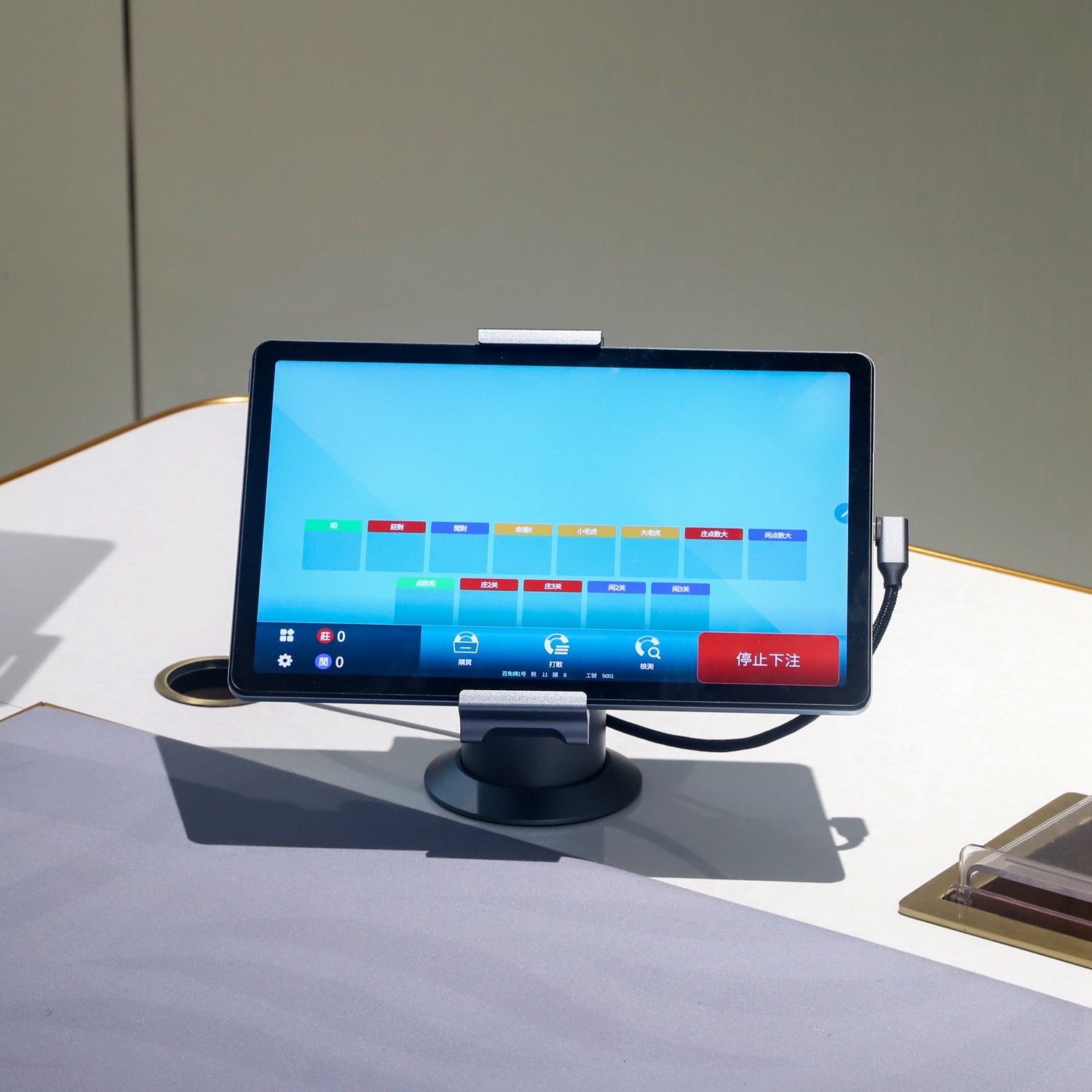
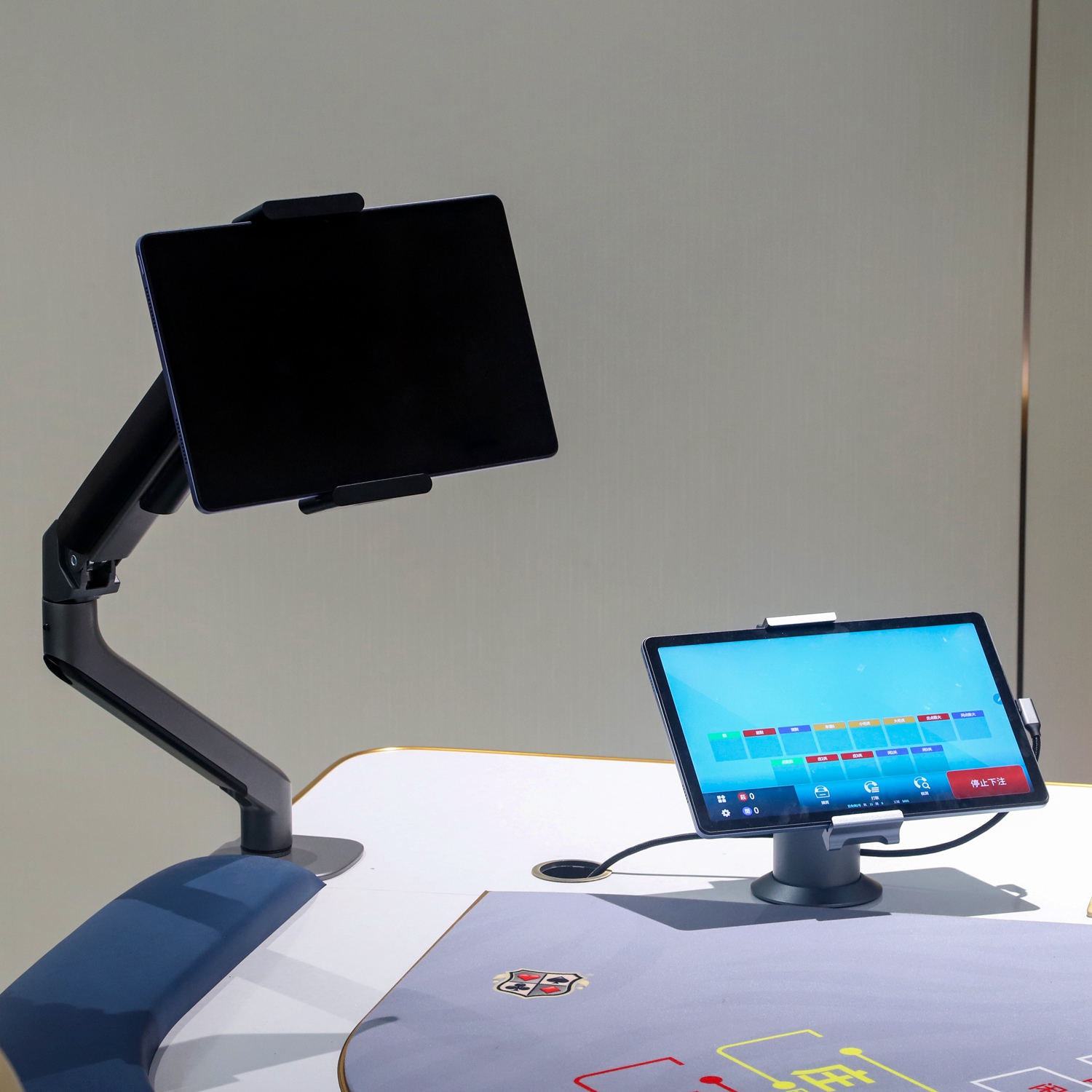
Fourth, the system needs a table operation interface, usually a dealer-side screen. This screen allows the dealer to follow the table workflow and see whether collection or payout has been verified.
When these parts are connected, payout verification becomes part of the normal baccarat operation instead of a separate review after the game.
Role of RFID Chips
RFID casino chips are important in payout verification because they allow the system to identify chip value electronically.
A standard chip can be counted manually. An RFID chip can be read by compatible equipment. This means the system can recognize whether the chips placed in a betting area, tray or payout checking area match the expected value.
In table operations, this does not mean the system replaces the dealer. The dealer still handles the chips and manages the game process. RFID simply provides a digital reading layer that can support verification.
For example, if a player wins and the dealer places payout chips into a verification area, the system can read the chip value and compare it with the expected payout. This creates a clearer settlement check before the round is closed.
CTSOK’s RFID casino chips can be used as part of this type of table management environment, where chip value and movement need to be connected with the wider casino management system.
Role of AI Card Recognition
Payout verification also depends on the correct game result.
In baccarat, the result is determined by the cards dealt to Banker and Player. AI card recognition can assist by identifying card faces, calculating points and confirming whether Banker, Player or Tie has won.
This result data can then be used by the system to calculate which bets lost, which bets won and what the correct payout should be.
AI card recognition is not only about reading cards faster. Its value is that it helps connect the card result with bet records and settlement checks. When the recognized result is linked with the betting data, the system can produce a more complete record of the round.
Dealer-Side Screen in the Verification Process
The dealer-side screen is the point where payout verification becomes visible during the table workflow.
A dealer may use the screen to view the active round, detected bets, game result, expected collection and expected payout. When the dealer completes a collection or payout action, the system can show whether the actual amount matches the expected amount.
This screen is important because table technology must be practical for daily operation. If the dealer cannot see the verification status clearly, the system becomes difficult to use. A good dealer-side interface should show the necessary information without interrupting the rhythm of the game.
In CTSOK CMS, the dealer-side operation screen works with RFID chips, smart table reading areas and card recognition to support this type of verification process. It is part of a wider casino management system rather than an isolated display.
Payout Verification and Casino Management Systems
A casino management system for table games is more useful when it records the full path of a round, not only the final result.
For baccarat, a complete table record may include chip inventory, player chip exchange, betting area, bet amount, card result, expected collection, actual collection, expected payout and actual payout.
This is why payout verification is closely related to CMS design.
Without payout verification, the system may know what was bet and what result occurred, but the final settlement action may still depend only on manual confirmation. With payout verification, the system can help check whether the round was completed according to the detected bets and recognized result.
CTSOK CMS is designed around this kind of table-level workflow. In baccarat applications, it can connect RFID chip recognition, player ID records, smart table bet reading, AI card recognition and payout verification into one operational structure.
Practical Applications
Payout verification is useful in several baccarat table situations.
In high-traffic tables, it can help reduce manual settlement pressure by giving the dealer and supervisor a clearer reference.
In VIP table environments, it can support more detailed review of high-value betting and payout actions.
During shift handover, verified settlement records can make table review more transparent.
When a dispute or review is needed, the casino can compare table data with supervisor observation or surveillance footage more efficiently.
In internal audit or operational review, payout verification records can help explain how a round was settled, not only who won the round.
These applications are why payout verification should be understood as part of table control, not just a software feature.
Operational Considerations
Payout verification depends on correct system setup.
RFID chips must be compatible with the table readers. Betting areas and verification areas need to be installed and tested properly. AI card recognition requires suitable camera positioning and lighting. Dealer-side screens should match the casino’s actual baccarat workflow. Staff also need training so that the system supports table procedures rather than adding confusion.
Casinos should evaluate payout verification as part of the whole table management process. The question is not only whether the system can calculate a payout. The more important question is whether the system can connect the bet, result and actual settlement action clearly enough for real table use.
When applied correctly, payout verification gives baccarat table teams a more reliable way to check one of the most important parts of the game: whether the chips collected and paid at the end of the round match what should have happened.