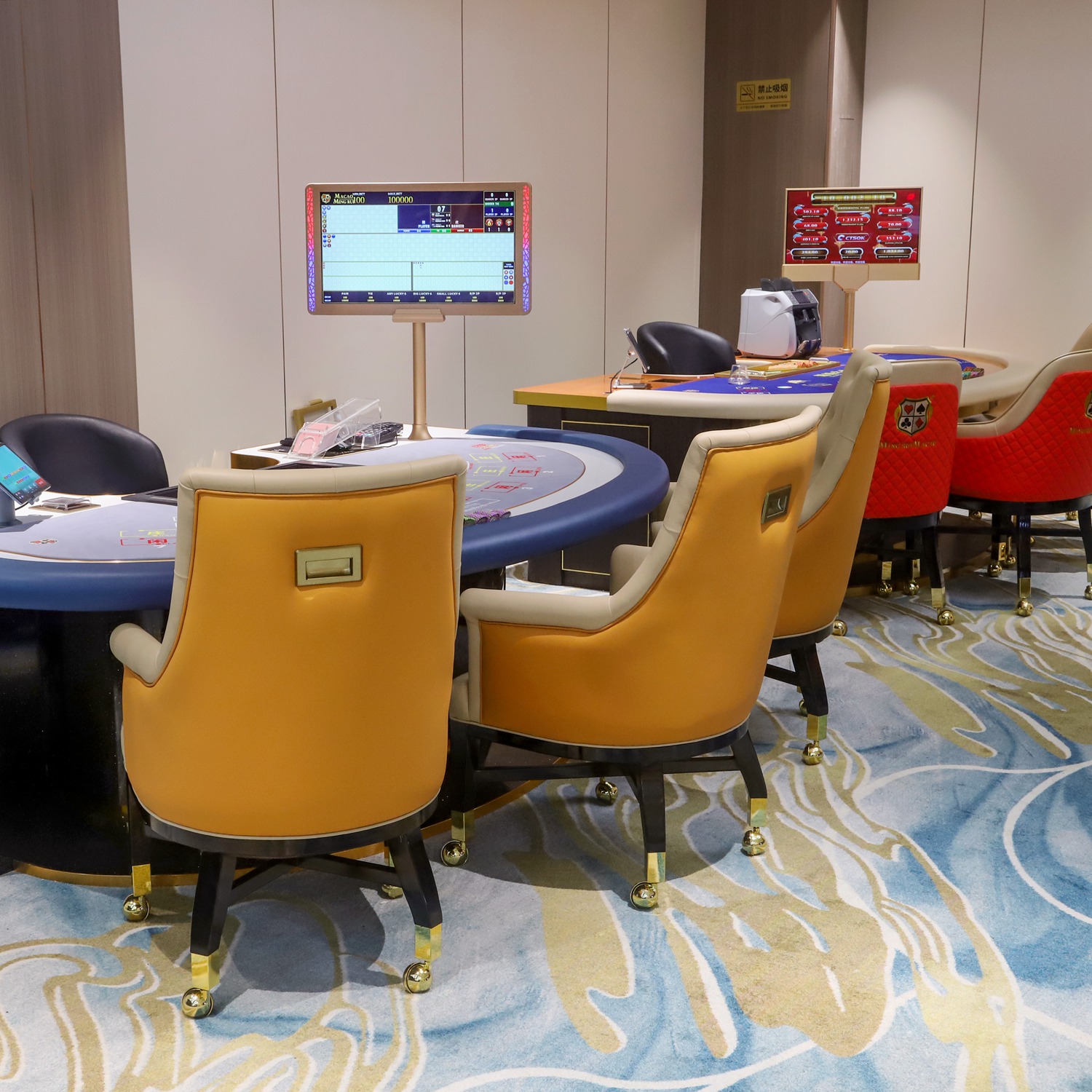
Casino table games are an important part of the traditional casino floor. Unlike slot machines or fully electronic games, table games are played around a physical table with a dealer, cards, chips, betting areas and direct player participation. This is why many people still see table games as the most recognizable part of a live casino environment.
Common casino table games include blackjack, baccarat, roulette, poker-based games, craps and sic bo. Each game has its own rules and pace, but they share one basic feature: the game is played in front of players, with visible equipment and a clear table layout.
Among these games, blackjack has remained one of the most familiar and widely recognized table games. It is easy to understand at the basic level, but it also gives players more decision-making space than many other casino games. This combination of simple rules and active player choice is one of the main reasons blackjack continues to be popular.
What Are Casino Table Games?
Casino table games are games that take place on a live gaming table instead of inside a machine. The table itself is part of the game. It defines where players sit, where bets are placed, where cards or dice are handled, and how the dealer controls the round.
In a casino, the table layout is not only decorative. It helps both players and dealers understand the flow of the game. For example, a roulette table has numbered betting areas. A baccarat table has spaces for banker, player and tie wagers. A blackjack table usually has several player positions arranged around a semi-circular table.
This physical structure makes table games different from digital casino games. Players can see the cards, chips and dealer actions directly. The table creates a shared game environment, which is one reason live table games remain attractive even as online gaming continues to grow.
Public gaming data also shows that table games remain an active part of commercial casino revenue. The American Gaming Association reported that the U.S. commercial gaming industry generated more than $78 billion in revenue in 2025, while the Nevada Gaming Control Board continues to publish monthly revenue reports that separately track nonrestricted gaming activity, including table game performance.
Why Blackjack Is Different from Many Other Table Games
Blackjack is often called “21” because the main goal is to get a hand value closer to 21 than the dealer without going over 21. Number cards keep their face value, face cards count as 10, and an ace can count as either 1 or 11 depending on the hand.
The basic idea is simple enough for new players to understand quickly. A player receives cards, compares the hand against the dealer, and decides whether to take another card or stop. If the hand goes over 21, the player busts and loses the wager.
This simplicity is one of blackjack’s strengths. A new player does not need to memorize a complicated paytable before understanding the basic round. At the same time, blackjack is not purely passive. The player makes decisions during the hand, which gives the game a different feeling from games where players only place a bet and wait for the result.
Standard blackjack decisions include hit, stand, double down, split and sometimes insurance or surrender, depending on the house rules. Casino guides from major venues describe the objective in the same general way: the player tries to get closer to 21 than the dealer without exceeding 21.
Player Choice Is a Big Reason Blackjack Stays Popular
Many casino table games are built around a simple betting choice. In baccarat, for example, a player may bet on Player, Banker or Tie, but after the cards are dealt, the player usually does not make additional decisions. In roulette, the player chooses a number, color or group of numbers, then waits for the wheel result.
Blackjack feels different because players make decisions after seeing their cards and the dealer’s visible card. They can hit, stand, split pairs or double down depending on the situation. This gives the game a sense of involvement.
That does not mean blackjack is easy to win. It is still a casino game, and the casino has a mathematical edge over time. But compared with many other table games, blackjack gives players more room to apply strategy. This is why basic strategy charts and blackjack probability studies are common topics in gaming education and mathematical analysis. Academic work has also treated blackjack as a useful model for studying decision-making, probability and strategy under uncertainty.
For casual players, this makes blackjack more engaging. For experienced players, it creates a deeper game structure. The same table can serve both beginners and regular players because the basic rules are simple while the decision space remains meaningful.
The Blackjack Table Layout Supports the Game
The design of a blackjack table is closely connected to the way the game works.
A typical blackjack table is semi-circular, with the dealer standing on the straight side and players seated around the curved side. Each player position has a marked betting area. The dealer side usually includes a chip tray, card shoe, discard tray and space for handling cards and payouts.
The table layout needs to be clear because several actions can happen during one round. A player may place the original wager, then split a pair, double down or take insurance if the rules allow it. These actions require additional chip placement, so the betting areas must remain readable for the dealer, players and floor staff.
This is one reason blackjack tables are designed differently from baccarat tables or roulette tables. The blackjack table must support multiple player decisions while keeping the dealer’s work area efficient.
A well-designed blackjack table normally needs:
- Clear player betting positions
- Enough space between seats
- A visible dealer area
- Proper placement for card shoe and discard tray
- A stable chip tray position
- Readable felt layout
- Comfortable player rail
- Durable structure for long-term commercial use
These details may look simple, but they directly affect the live game experience.
Blackjack Is Easy to Watch and Easy to Join
Another reason blackjack remains popular is that it is easy to watch.
Even someone who is not playing can understand the basic tension of the game: the player wants to get close to 21, but not go over. The dealer must follow house rules. Every new card changes the situation.
This makes blackjack suitable for both main casino floors and smaller gaming rooms. The pace is usually faster than baccarat, but less complex to follow than some poker-based games. A player can join a table, understand the main objective quickly and learn additional decisions over time.
This balance is valuable for casinos. A table game that is too slow may not keep enough energy on the floor. A game that is too complicated may discourage beginners. Blackjack sits between these two extremes. It is simple enough to attract new players and flexible enough to hold experienced players’ attention.
Blackjack Combines Chance, Rules and Table Experience
Blackjack is not popular only because of its rules. It is popular because of the full table experience.
The player handles decisions. The dealer controls the game pace. Chips move visibly on the table. Other players can follow the round. The table layout gives the game a clear structure.
This is why the physical blackjack table still matters. A poor table can make the game feel crowded or confusing. A clear table can make the game smoother for both players and dealers.
For commercial venues, the table must also be practical. It has to support daily use, repeated chip movement, long dealer shifts and different room styles. In VIP rooms, the table may need a more premium finish. On a main floor, durability and clear layout may be more important.
From Traditional Blackjack Tables to Modern Table Equipment
Although blackjack is a traditional casino table game, modern table equipment has continued to evolve.
Many casinos now pay more attention to table durability, custom felt design, dealer workflow and optional technology compatibility. Some venues may use electronic card shoes, table displays, RFID chips or management systems depending on their operational requirements.
This does not change the basic nature of blackjack. The game still depends on cards, chips, dealer procedure and player decisions. However, better table equipment can help make the game more organized, especially in commercial environments where multiple tables operate at the same time.
For this reason, a blackjack table should not be treated as ordinary furniture. It is a working game surface. The table needs to match the rules, player positions, dealer movements and long-term operation of the venue.
CTSOK provides commercial blackjack table solutions designed around clear betting layouts, dealer operation space, durable table structure and optional smart table integration. For venues that need a professional blackjack table, the table can be configured for different room styles, player capacities and equipment needs.
Why Blackjack Remains a Classic Casino Table Game
Blackjack has remained one of the most popular casino table games because it brings together several important qualities.
It is easy to understand.
It gives players real decisions.
It has a clear goal.
It works well on a live table.
It is suitable for both beginners and experienced players.
It creates a strong interaction between players, dealer and table layout.
Many casino games depend mainly on waiting for a result. Blackjack feels more active because players participate in the hand. This gives the game a lasting appeal that goes beyond simple chance.
Casino table games continue to be part of the live gaming experience because they offer something machines cannot fully replace: visible play, human dealing, physical chips and direct participation. Blackjack is one of the clearest examples of this.
As casino floors continue to modernize, the blackjack table will remain important not only as a game table, but also as a carefully designed part of the live gaming environment.